

Visa
Visa
Mastercard
Mastercard
American Express
American Express
Discover
Discover
JCB
JCB
Diners Club
Diners Club
UnionPay
UnionPay
PayPal
PayPal
Apple Pay
Apple Pay
Google Pay
Google Pay
Amazon Pay
Amazon Pay
Samsung Pay
Samsung Pay
Stripe
Stripe
Square
Square
Klarna
Klarna
Afterpay
Afterpay
Affirm
Affirm
iDEAL
iDEAL
Maestro
Maestro
Bancontact
Bancontact
Giropay
Giropay
SOFORT
SOFORT
Alipay
Alipay
WeChat Pay
WeChat Pay
Trustly
Trustly
Interac
Interac
Verifone
Verifone
Worldpay
Worldpay
Payoneer
Payoneer
Skrill
Skrill
Neteller
Neteller
PaysafeCard
PaysafeCard
Wise
Wise
Razorpay
Razorpay
PayU
PayU
Braintree
Braintree
BlueSnap
BlueSnap
Adyen
Adyen
Authorize.Net
Authorize.Net
Mollie
Mollie
Zip
Zip
ELO
ELO
Humm
Humm
Poli
Poli
Sezzle
Sezzle
PagSeguro
PagSeguro
MercadoPago
MercadoPago
Paytm
Paytm
BharatQR
BharatQR
GCash
GCash
GrabPay
GrabPay
Line Pay
Line Pay
OXXO
OXXO
Paysera
Paysera
Zelle
Zelle
We Accept:


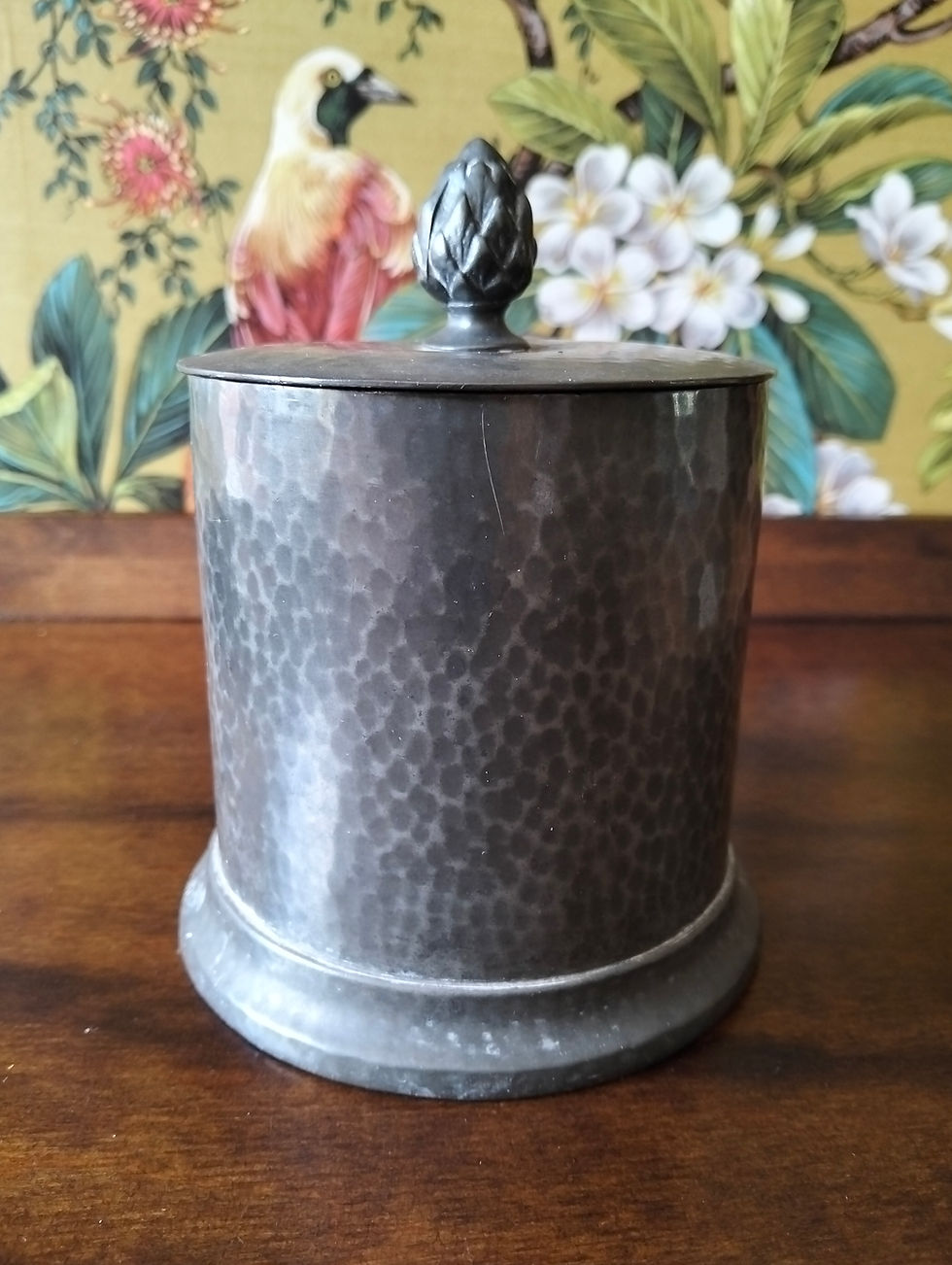
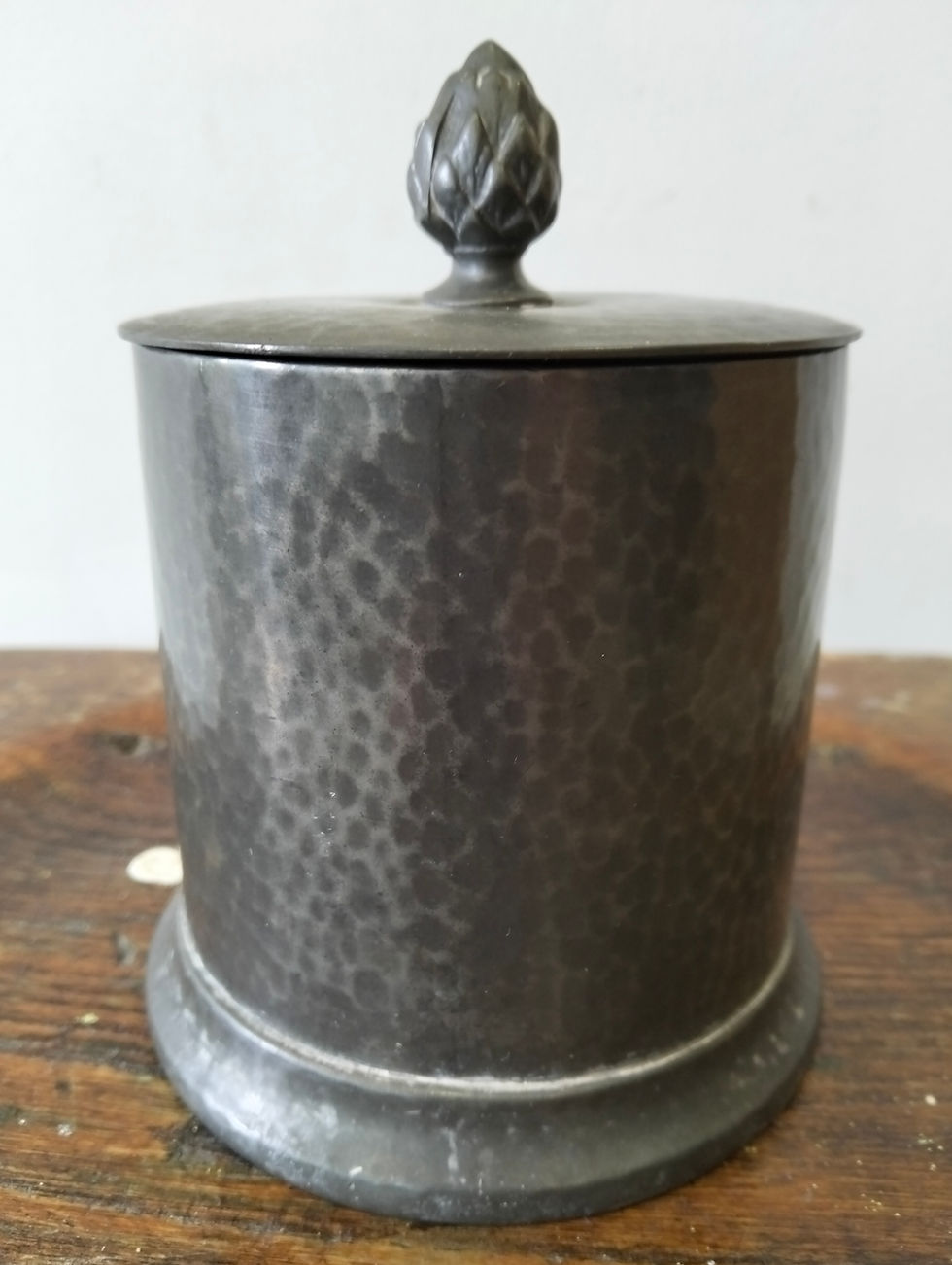
Vintage silver plate bud vase possibly by Iathe? Decorative
Vintage silver plate bud vase possibly by Iathe? Decorative. Although it does not have a lot of age, it is still very decorative and reflected in the price.
-
14 cm tall 6 cm round at base.
-
Some age related wear.
-
Silver plate is a process of coating a base metal with a thin layer of silver, has a rich history dating back to the early 18th century. Initially, it involved a fusion process called Old Sheffield Plate, where silver was bonded to copper. Later, electroplating revolutionized the process, making silver plating more accessible and widely adopted, particularly in the 19th century.
Early Silver Plating (Old Sheffield Plate):
1742:
Thomas Boulsover, a Sheffield cutler, accidentally discovered that silver and copper could be fused together when molten silver spilled onto a copper knife handle.
1743:
Boulsover started producing silver-plated buttons, which were convincing alternatives to solid silver and much cheaper.
Old Sheffield Plate:
This early form involved fusing sheets of silver to a copper base, creating a durable and visually appealing alternative to solid silver.
Limitations:
While popular, Old Sheffield Plate had limitations, particularly in areas subject to heavy wear like spoons and forks.
Marks and Hallmarks:
Early Sheffield plate items were sometimes marked with symbols resembling hallmarks used on sterling silver. However, injunctions were filed, and Sheffield platers were eventually allowed to use marks indicating the maker and a distinctive device.
Electroplating Revolution:
1840s:
The invention of electroplating, particularly by Elkington & Co., allowed for a more even and controlled application of silver onto various base metals, including nickel silver.
EPNS:
Electro-plated nickel silver (EPNS) became a popular material for silver-plated cutlery and other items due to its strength and bright finish.
Accessibility:
Electroplating made silver plating more accessible to a wider market, leading to its widespread use in tableware, decorative items, and even costume jewelry.
Victorian Era:
The Victorian era saw a surge in the popularity of silver-plated items, with elaborate designs, motifs, and even tinted and etched glass accents.
Distinguishing Silver Plate from Solid Silver:
Hallmarks:
Solid silver items typically bear hallmarks, including a silver standard mark, a town mark, a date letter, and a maker's mark.
Edges:
Early silver plate, particularly Old Sheffield Plate, may show the base metal at the edges or where the silver plating has been folded over.
Luster and Appearance:
Solid silver often has a distinct luster, while silver plate can appear duller or have a slightly different sheen
Aantal
Niet op voorraad
Gerelateerde producten












Our Service

01
Sustainably packaged using recycled and recyclable packaging. It may not come in a heavily own branded box but it will have been packed with love.
02
Shipped with consideration using the courier we feel will take care of your item as much as us. Royal Mail Tracked 48 is our go to method and items are fully insured against loss and damage.
03
14 day no quibble money back guarantee. It's OK to change your mind! If you want to cancel the item before dispatch it's not a problem. if you don't like the item once it arrives just return it to us and we will give you a full refund (terms apply).
Veelgestelde vragen
LOCATION
customerservices@objetdart-stuff.co.uk
Tel. +44(0) 7894 312502
Warehouse: Cransley
Northamptonshire, NN14
Viewing strictly by appointment only
Small range of items in store at
Up the Junction Antiques, Glebe Farm Shop & Tea Room, Junction 7, A14 Kettering, NN16 8XF
SOCIAL STUFF