Discover Rare Antique Collectibles and Their Stories

Antiques carry a unique charm that connects us to the past. Each piece tells a story, reflecting the culture, craftsmanship, and history of its time. Whether you are a seasoned collector or just starting, exploring rare antique items can be a fascinating journey. This guide will help you understand the allure of these treasures, how to identify them, and where to find them.
Exploring the Rare Antique Items Guide
Rare antique items are more than just old objects. They are pieces of history that have survived the test of time. These items often have distinctive features, limited production, or historical significance that make them valuable. Collectors seek out these rare finds for their uniqueness and the stories they hold.
Some popular categories of rare antiques include:
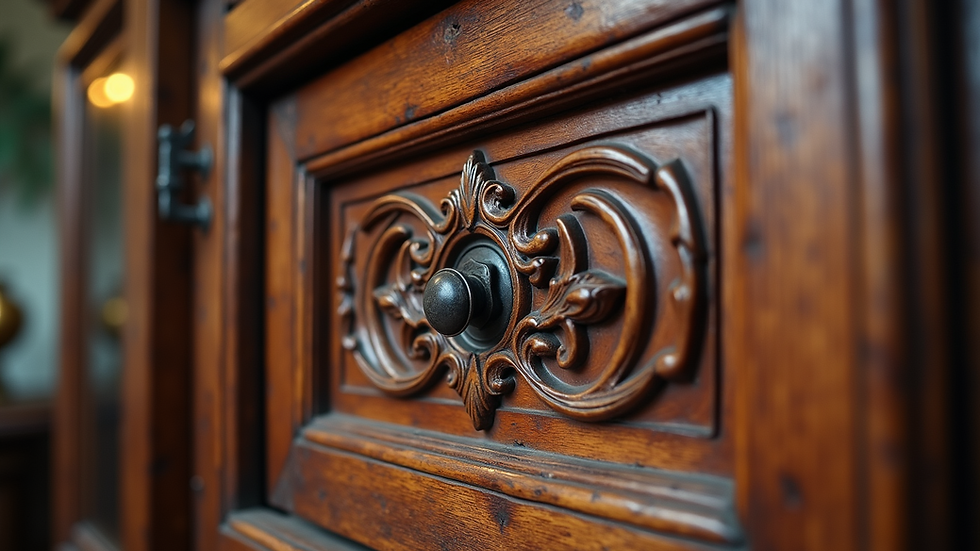
Furniture: Handcrafted pieces from specific periods, such as Victorian or Georgian.
Jewellery: Vintage rings, brooches, and necklaces with intricate designs.
Ceramics and Porcelain: Fine china and pottery from renowned makers.
Books and Manuscripts: First editions and rare prints.
Toys and Games: Vintage dolls, board games, and mechanical toys.
Each category offers a window into the past, showcasing the artistry and lifestyle of earlier times.
How to Identify Rare Antique Items
Identifying rare antiques requires a keen eye and some knowledge. Here are practical tips to help you spot genuine rare items:
Check the Age: True antiques are usually over 100 years old. Look for signs of age like patina, wear, and craftsmanship styles.
Look for Maker’s Marks: Many antiques have stamps, signatures, or labels indicating the maker or origin.
Examine Materials and Techniques: Older items often use materials and methods no longer common today.
Research Historical Context: Understanding the era and region can help verify authenticity.
Consult Experts: When in doubt, seek advice from antique dealers or appraisers.
By following these steps, you can confidently distinguish rare antiques from reproductions or modern items.

How do I find out what my collectibles are worth?
Determining the value of your collectibles is essential, especially if you plan to sell or insure them. Here are some effective ways to find out what your items are worth:
Professional Appraisal: Certified appraisers provide accurate valuations based on market trends and item condition.
Auction Results: Check recent auction sales for similar items to gauge current market prices.
Online Marketplaces: Websites specializing in antiques can offer price comparisons.
Collector Forums and Groups: Engage with communities where experienced collectors share insights.
Condition Assessment: The better the condition, the higher the value, so document any damage or restoration.
Remember, value can fluctuate based on rarity, demand, and provenance. Keeping detailed records and photographs helps maintain your collection’s worth.

Where to Find Rare Antique Collectibles
Finding rare antique collectibles requires patience and a bit of adventure. Here are some of the best places to start your search:
Antique Shops and Fairs: Local shops and fairs often have unique items curated by knowledgeable sellers.
Estate Sales and Auctions: These can be treasure troves for rare finds, sometimes at reasonable prices.
Online Marketplaces: Websites like antique collectibles offer a wide range of items from various sellers.
Flea Markets and Car Boot Sales: You might discover hidden gems among everyday items.
Specialist Dealers: Experts in specific categories can help you find rare pieces and provide authenticity guarantees.
When buying, always ask for provenance and condition reports. Building relationships with sellers can also lead to exclusive opportunities.
Caring for Your Rare Antique Items
Proper care ensures your antiques remain in excellent condition and retain their value. Here are some tips for maintaining your collection:
Avoid Direct Sunlight: UV rays can fade and damage materials.
Control Humidity and Temperature: Extreme conditions can cause warping, cracking, or corrosion.
Handle with Care: Use gloves when necessary and avoid excessive handling.
Regular Cleaning: Use appropriate methods for each material; avoid harsh chemicals.
Professional Restoration: If needed, hire experts to restore items without compromising authenticity.
Documenting your collection with photos and descriptions also helps in insurance and future sales.
Exploring rare antique items is a rewarding experience that connects you to history and craftsmanship. With the right knowledge and resources, you can discover treasures that tell fascinating stories. Happy collecting!


Comments