

Visa
Visa
Mastercard
Mastercard
American Express
American Express
Discover
Discover
JCB
JCB
Diners Club
Diners Club
UnionPay
UnionPay
PayPal
PayPal
Apple Pay
Apple Pay
Google Pay
Google Pay
Amazon Pay
Amazon Pay
Samsung Pay
Samsung Pay
Stripe
Stripe
Square
Square
Klarna
Klarna
Afterpay
Afterpay
Affirm
Affirm
iDEAL
iDEAL
Maestro
Maestro
Bancontact
Bancontact
Giropay
Giropay
SOFORT
SOFORT
Alipay
Alipay
WeChat Pay
WeChat Pay
Trustly
Trustly
Interac
Interac
Verifone
Verifone
Worldpay
Worldpay
Payoneer
Payoneer
Skrill
Skrill
Neteller
Neteller
PaysafeCard
PaysafeCard
Wise
Wise
Razorpay
Razorpay
PayU
PayU
Braintree
Braintree
BlueSnap
BlueSnap
Adyen
Adyen
Authorize.Net
Authorize.Net
Mollie
Mollie
Zip
Zip
ELO
ELO
Humm
Humm
Poli
Poli
Sezzle
Sezzle
PagSeguro
PagSeguro
MercadoPago
MercadoPago
Paytm
Paytm
BharatQR
BharatQR
GCash
GCash
GrabPay
GrabPay
Line Pay
Line Pay
OXXO
OXXO
Paysera
Paysera
Zelle
Zelle
We Accept:


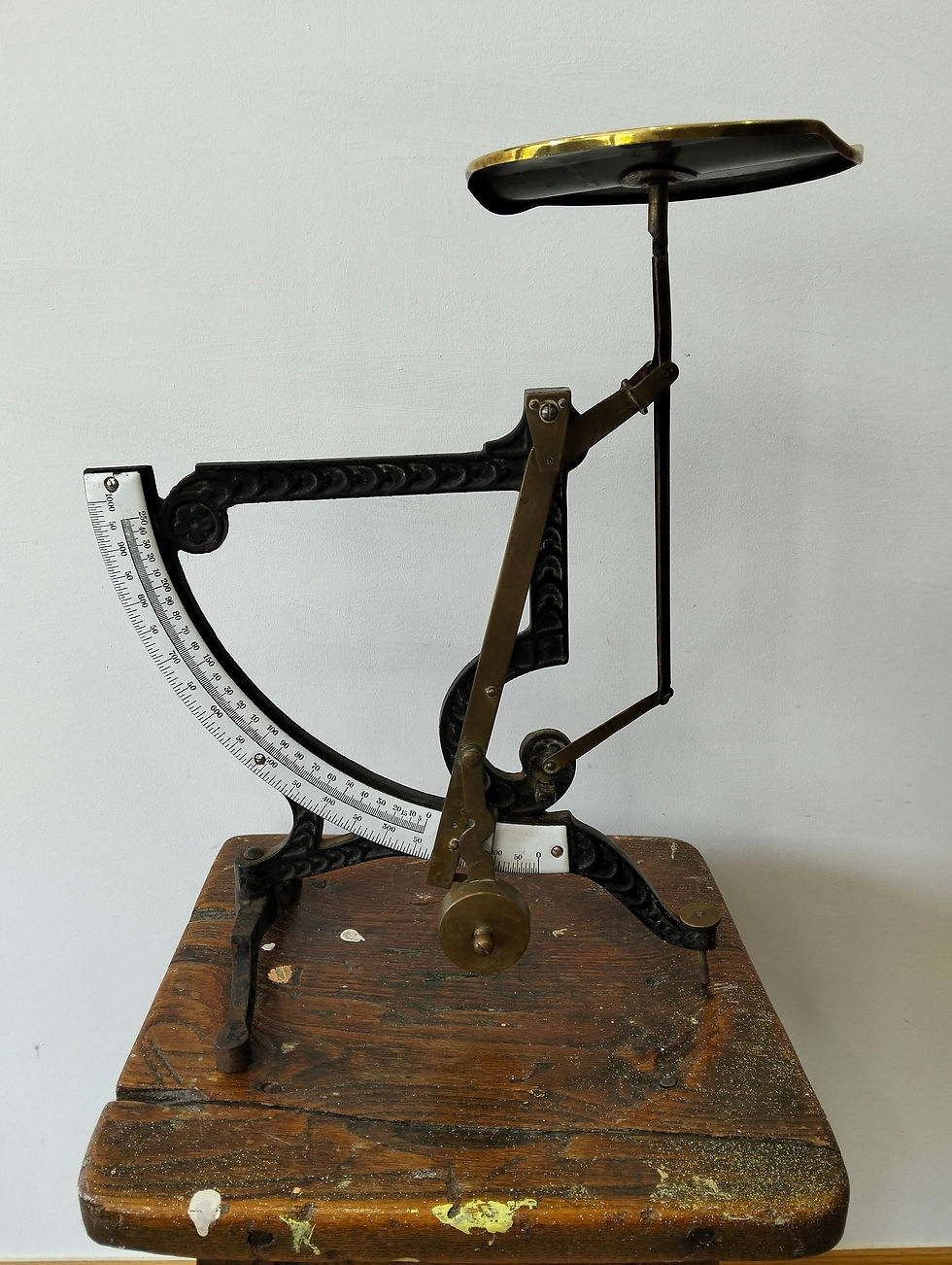
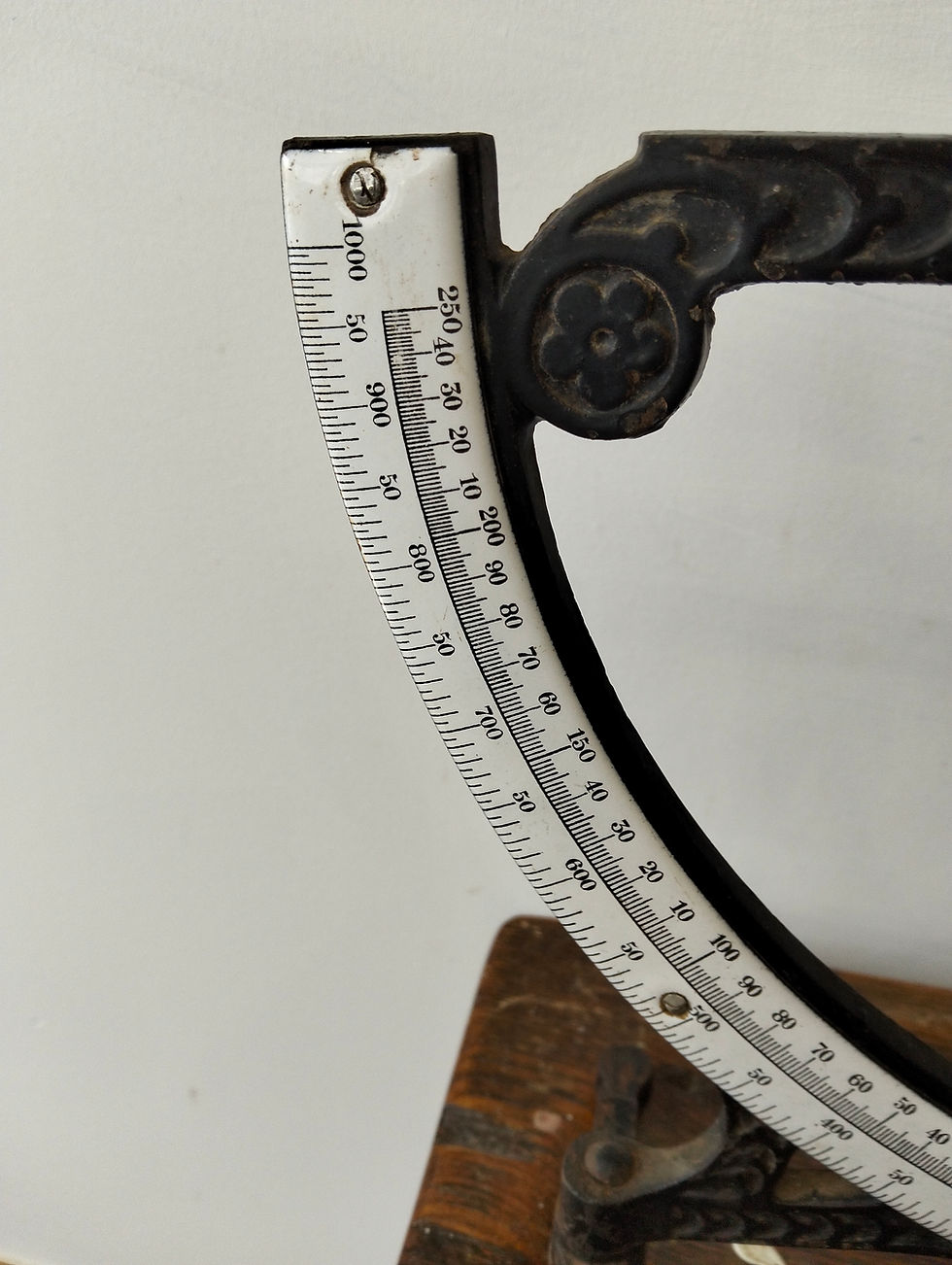
Antique art deco early 20th century oak anoroid barometer stunning!!
Antique art deco early 20th century oak and metal anoroid barometer stunning!! Could not be more art deco if it tried !! Great display piece for an art deco design lover / house etc ( may require resetting adjustment)
26 cm wide 24 cm tall 5 cm width
Some minor age related wear
-
The barometer's history begins in the early to mid-1600s with the Italian physicist Evangelista Torricelli, who invented the first mercury barometer around 1643, demonstrating that atmospheric pressure exists and varies with weather conditions. His device, a simple U-shaped tube of mercury inverted into a bowl of mercury, was used to both show atmospheric pressure and later to predict weather. Later developments included more portable designs, such as the aneroid barometer, which uses a sealed metal chamber instead of liquid, contributing to the field of meteorology and weather forecasting.
Evangelista Torricelli and the first barometer
Invention:
Torricelli, a student of Galileo, invented the first mercury barometer around 1643.
Principle:
He demonstrated that the height of the mercury column in the tube was a result of atmospheric pressure, not the limitations of a suction pump as previously thought.
Discovery:
The variation in the mercury's height from day to day showed changes in atmospheric pressure, a concept that was crucial for weather prediction.
Evolution and improvements
Aneroid Barometer:
A later innovation was the aneroid barometer, which doesn't use mercury. It relies on a small, sealed metal chamber that expands and contracts with changes in air pressure, making it more portable and less fragile than mercury barometers.
Applications:
Over time, barometers were developed for different uses, including the marine barometer designed by Robert Hooke in the late 17th century to be sea-worthy.
Modern use and legacy
Weather forecasting:
Barometers remain a fundamental meteorological instrument, with falling pressure often indicating stormy weather and rising pressure suggesting fair conditions.
Antique value:
Many antique barometers are still treasured for their decorative value as well as their function.
Technological advancements:
Modern technology has advanced barometers, with even smartphones now incorporating built-in barometers to measure altitude and pressure.
Art Deco, named after the 1925 Paris exhibition, was an international design style between the 1910s and early 1930s, originating in France. It combined influences from ancient cultures, modern art movements like Cubism and Futurism, and machine-age aesthetics to create a luxurious, geometric, and streamlined look in architecture, fashion, and decorative arts. The style celebrated wealth, modernity, and the fast-paced lifestyle of the Roaring Twenties before declining with the Great Depression.
Origins and Influences
Pre-WWI France:
Art Deco style began to emerge in France in the years leading up to World War I.
1925 Paris Exhibition:
The style was formally announced to the world at the Exposition Internationale des Arts Décoratifs et Industriels Modernes (International Exhibition of Modern Decorative and Industrial Arts) in Paris. The name "Art Deco" was coined in the 1960s from this exhibition.
Aesthetic Mix:
It was a blend of diverse inspirations:
Ancient Cultures: Egyptian, Greek, and Roman art provided geometric and monumental forms.
Avant-Garde Art: Modern movements like Cubism, Futurism, and Constructivism introduced bold geometric shapes and abstract forms.
Machine Age: The style embraced the speed, efficiency, and sleekness of modern technology and mass production.
Characteristics
Geometric and Streamlined Forms:
Art Deco emphasizes strong, straight lines, sharp angles, and symmetrical patterns.
Luxurious Materials:
Rich and often expensive materials were used, including chrome, gold, jade, ivory, and exotic woods, alongside innovative manufactured materials like plastics.
Bold Colors and Ornamentation:
The style incorporated vibrant, sometimes kitsch, colors and decorative motifs like sunbursts, chevrons, and stylized natural forms.
Historical Context and Spread
Post-WWI Optimism:
Art Deco emerged after the destruction of World War I, reflecting a desire for a fresh start, prosperity, and a forward-looking perspective.
Symbol of Modernity:
It became a symbol of progress, sophistication, and the glamorous, fast-paced urban lifestyle of the era.
Global Reach:
The style quickly spread internationally, becoming prominent in cities worldwide, including New York, Shanghai, and Miami.
Decline
The Great Depression:
As the economy faltered in the 1930s, more austere and functional styles became preferred, leading to the decline of the opulent Art Deco aesthetic.
End of an Era:
The movement largely faded out by the beginning of World War II, around 1939.
Aantal
Nog maar 1 op voorraad
Gerelateerde producten










Our Service

01
Sustainably packaged using recycled and recyclable packaging. It may not come in a heavily own branded box but it will have been packed with love.
02
Shipped with consideration using the courier we feel will take care of your item as much as us. Royal Mail Tracked 48 is our go to method and items are fully insured against loss and damage.
03
14 day no quibble money back guarantee. It's OK to change your mind! If you want to cancel the item before dispatch it's not a problem. if you don't like the item once it arrives just return it to us and we will give you a full refund (terms apply).
Veelgestelde vragen
LOCATION
customerservices@objetdart-stuff.co.uk
Tel. +44(0) 7894 312502
Warehouse: Cransley
Northamptonshire, NN14
Viewing strictly by appointment only
Small range of items in store at
Up the Junction Antiques, Glebe Farm Shop & Tea Room, Junction 7, A14 Kettering, NN16 8XF
SOCIAL STUFF