
Visa
Visa
Mastercard
Mastercard
American Express
American Express
Discover
Discover
JCB
JCB
Diners Club
Diners Club
UnionPay
UnionPay
PayPal
PayPal
Apple Pay
Apple Pay
Google Pay
Google Pay
Amazon Pay
Amazon Pay
Samsung Pay
Samsung Pay
Stripe
Stripe
Square
Square
Klarna
Klarna
Afterpay
Afterpay
Affirm
Affirm
iDEAL
iDEAL
Maestro
Maestro
Bancontact
Bancontact
Giropay
Giropay
SOFORT
SOFORT
Alipay
Alipay
WeChat Pay
WeChat Pay
Trustly
Trustly
Interac
Interac
Verifone
Verifone
Worldpay
Worldpay
Payoneer
Payoneer
Skrill
Skrill
Neteller
Neteller
PaysafeCard
PaysafeCard
Wise
Wise
Razorpay
Razorpay
PayU
PayU
Braintree
Braintree
BlueSnap
BlueSnap
Adyen
Adyen
Authorize.Net
Authorize.Net
Mollie
Mollie
Zip
Zip
ELO
ELO
Humm
Humm
Poli
Poli
Sezzle
Sezzle
PagSeguro
PagSeguro
MercadoPago
MercadoPago
Paytm
Paytm
BharatQR
BharatQR
GCash
GCash
GrabPay
GrabPay
Line Pay
Line Pay
OXXO
OXXO
Paysera
Paysera
Zelle
Zelle
We Accept:


Antique early 20th century 1920s art deco pewter lidded cut glass dressing jar
Antique early 20th century 1920s art deco pewter lidded cut glass dressing jar. This wonderful dressing table jar has that amazing art deco design. It is cut glass decorated and has a star cut base with some age related wear.
-
12 cm wide
6 cm depth
5 cm tall
-
Art Deco was a design movement from the 1910s to the 1930s, originating in France and flourishing between the two World Wars. It was characterized by geometric shapes, symmetry, and sleek lines, and drew inspiration from various sources including Cubism, ancient Egyptian artifacts like those found in King Tutankhamun's tomb, and the age of machine-age technology and speed. The style celebrated modernity, progress, and luxury, making its influence visible in architecture, furniture, jewelry, and fashion.
Origins and influences
Pre-WWI Paris: Art Deco began in France as a reaction against the overly ornate Art Nouveau style.
Modern art: Early influences included Cubism and Fauvism, which introduced geometric shapes and abstract forms.
Archaeological discoveries: The 1922 discovery of Tutankhamun's tomb sparked a widespread fascination with ancient Egyptian motifs and styles, which were incorporated into Art Deco designs.
Technology and speed: The era's obsession with progress and speed was reflected in the style's sleek, streamlined forms inspired by modern transportation like trains and ocean liners.
Global culture: Designers also borrowed from other cultures, including African, Japanese, and folk art.
Key characteristics
Geometric and symmetrical: Designs are often composed of geometric patterns, zigzags, chevrons, and stepped forms.
Luxurious materials: It celebrated opulence with the use of materials like chrome, lacquer, ivory, and ebony.
Bold and vibrant: The style is known for its vibrant colors and sleek, pared-back forms.
Stylized nature: Natural elements, such as flowers and animals, were stylized and used in decorative patterns.
Peak and decline
Peak popularity: Art Deco reached its peak during the Roaring Twenties and the interwar period, seen as a symbol of the era's glamour, luxury, and modernization.
Global reach: The style's influence spread worldwide through architecture (like the Chrysler Building), film (like Metropolis), and the design of everyday objects.
Decline: After World War II, the style's popularity waned, though it experienced revivals in the 1980s with Memphis design.
Quantity
Only 1 left in stock
100% positive feedback across Ebay & Etsy
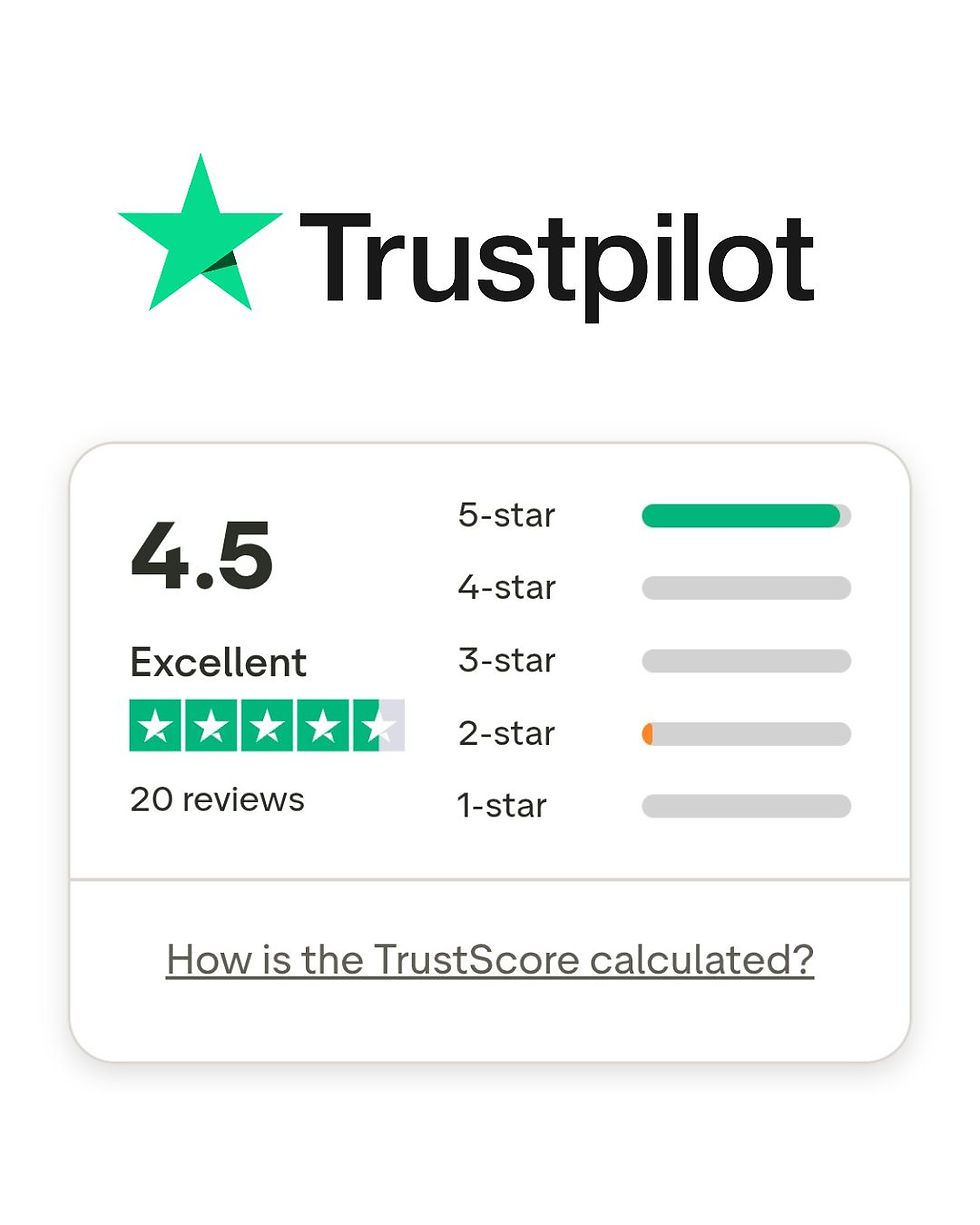
4.9 **** on Trustpilot
Over 1200 sales. 3 years on ecommerce platforms


Postage, returns and payment
Postage: Royal Mail Tracked 48 delivery. Exceptionally large or delicate items require specialist courier service. Located in Northamptonshire, UK
Delivery: Estimated between 3-5 days UK delivery and 7-14 days International delivery. US and EU customs tariff charges included in postage cost and calculated at checkout. We use DDP (Delivered Duty Paid). No hidden fees
Returns: 14 days no quibble money back guarantee (your right to cancel). 14-day cooling off period starts from the day after you receive your item. Changed your mind? Cancel the order before dispatch at no cost. Return your item within 28 days for a full refund. Buyer pays for return postage.
Shop with confidence
SSL secure payment providers.
Pay with confidence using PayPal.
Visa
Visa
Mastercard
Mastercard
American Express
American Express
Discover
Discover
JCB
JCB
Diners Club
Diners Club
UnionPay
UnionPay
PayPal
PayPal
Apple Pay
Apple Pay
Google Pay
Google Pay
Amazon Pay
Amazon Pay
Samsung Pay
Samsung Pay
Stripe
Stripe
Square
Square
Klarna
Klarna
Afterpay
Afterpay
Affirm
Affirm
iDEAL
iDEAL
Maestro
Maestro
Bancontact
Bancontact
Giropay
Giropay
SOFORT
SOFORT
Alipay
Alipay
WeChat Pay
WeChat Pay
Trustly
Trustly
Interac
Interac
Verifone
Verifone
Worldpay
Worldpay
Payoneer
Payoneer
Skrill
Skrill
Neteller
Neteller
PaysafeCard
PaysafeCard
Wise
Wise
Razorpay
Razorpay
PayU
PayU
Braintree
Braintree
BlueSnap
BlueSnap
Adyen
Adyen
Authorize.Net
Authorize.Net
Mollie
Mollie
Zip
Zip
ELO
ELO
Humm
Humm
Poli
Poli
Sezzle
Sezzle
PagSeguro
PagSeguro
MercadoPago
MercadoPago
Paytm
Paytm
BharatQR
BharatQR
GCash
GCash
GrabPay
GrabPay
Line Pay
Line Pay
OXXO
OXXO
Paysera
Paysera
Zelle
Zelle
We Accept:
25% Off Orders
Use DISCOUNT CODE ODS26 at the checkout when asked to enter the promotional code to get 25% off the order total

Related products


Our Service

01
Sustainably packaged using recycled and recyclable packaging. It may not come in a heavily own branded box but it will have been packed with love.
02
Shipped with consideration using the courier we feel will take care of your item as much as us. Royal Mail Tracked 48 is our go to method and items are fully insured against loss and damage.
03
14 day no quibble money back guarantee. It's OK to change your mind! If you want to cancel the item before dispatch it's not a problem. if you don't like the item once it arrives just return it to us and we will give you a full refund (terms apply).
LOCATION
customerservices@objetdart-stuff.co.uk
Tel. +44(0) 7894 312502
Warehouse: Cransley
Northamptonshire, NN14
Viewing strictly by appointment only
Small range of items in store at
Up the Junction Antiques, Glebe Farm Shop & Tea Room, Junction 7, A14 Kettering, NN16 8XF
SOCIAL STUFF