
Visa
Visa
Mastercard
Mastercard
American Express
American Express
Discover
Discover
JCB
JCB
Diners Club
Diners Club
UnionPay
UnionPay
PayPal
PayPal
Apple Pay
Apple Pay
Google Pay
Google Pay
Amazon Pay
Amazon Pay
Samsung Pay
Samsung Pay
Stripe
Stripe
Square
Square
Klarna
Klarna
Afterpay
Afterpay
Affirm
Affirm
iDEAL
iDEAL
Maestro
Maestro
Bancontact
Bancontact
Giropay
Giropay
SOFORT
SOFORT
Alipay
Alipay
WeChat Pay
WeChat Pay
Trustly
Trustly
Interac
Interac
Verifone
Verifone
Worldpay
Worldpay
Payoneer
Payoneer
Skrill
Skrill
Neteller
Neteller
PaysafeCard
PaysafeCard
Wise
Wise
Razorpay
Razorpay
PayU
PayU
Braintree
Braintree
BlueSnap
BlueSnap
Adyen
Adyen
Authorize.Net
Authorize.Net
Mollie
Mollie
Zip
Zip
ELO
ELO
Humm
Humm
Poli
Poli
Sezzle
Sezzle
PagSeguro
PagSeguro
MercadoPago
MercadoPago
Paytm
Paytm
BharatQR
BharatQR
GCash
GCash
GrabPay
GrabPay
Line Pay
Line Pay
OXXO
OXXO
Paysera
Paysera
Zelle
Zelle
We Accept:


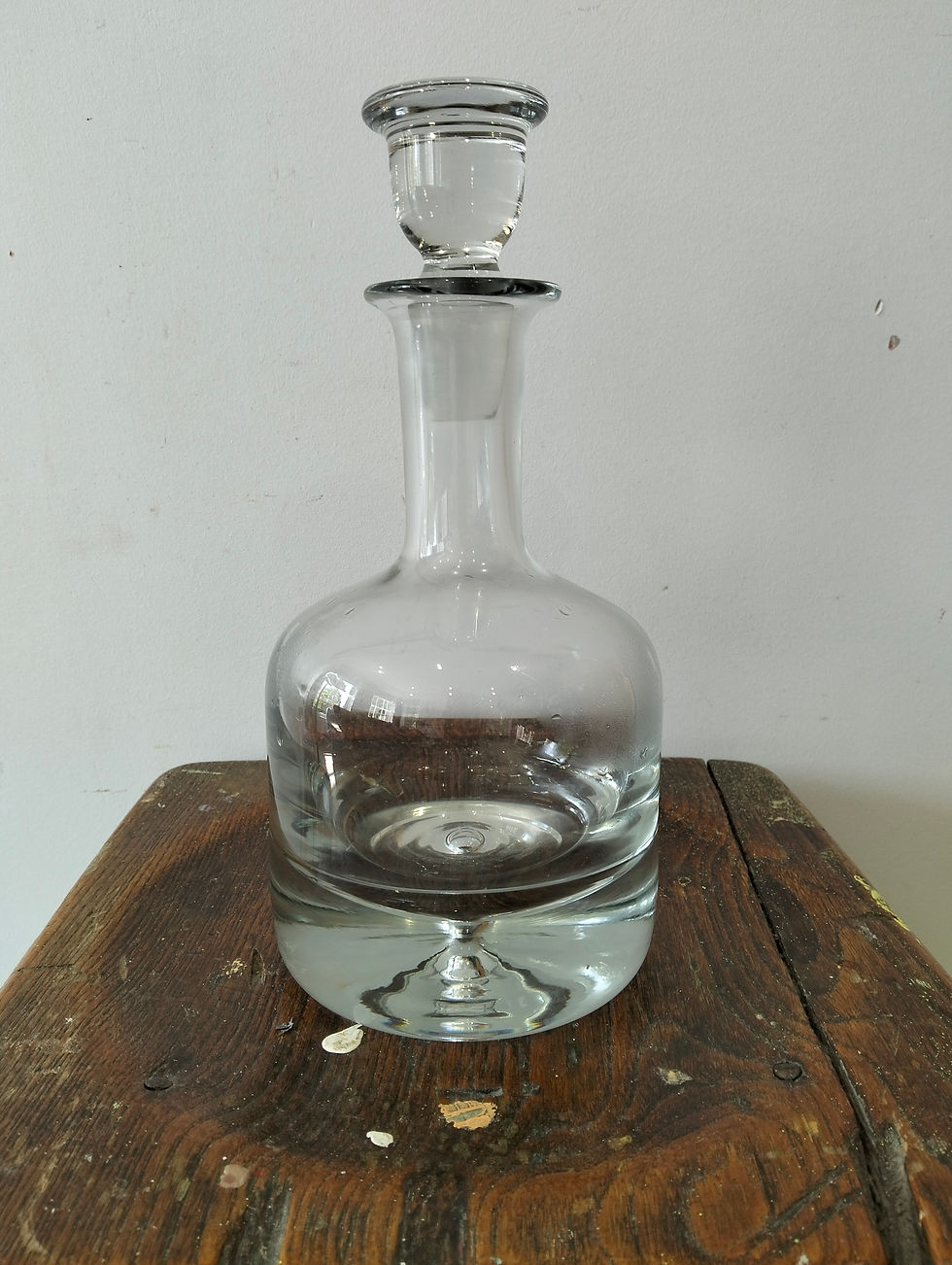
Vintage mid century Bohemian glass wine decanter with lovely oak stand
Vintage mid century Bohemian glass wine decanter with lovely oak stand. This wonderfully decorated glass decanter is adorned with gold grapes and leaves.
-
Some age related wear
-
26 cm tall
25 cm wide
18 cm depth
-
The history of the wine decanter dates back over 2,000 years to ancient Rome, where Romans decanted wine from large clay jars into smaller glass vessels to serve at the table, primarily to separate sediment. The practice declined in the Middle Ages but was revived during the Renaissance with new glassmaking techniques in Venice. The invention of the stopper in Britain around the 1730s allowed wine to be stored longer, while the 19th century saw the rise of "claret jugs," and decanters became highly popular for both their function and aesthetic appeal.
Ancient origins and early use
Ancient Rome: Wine was transported in large clay jars called pithoi and later poured into smaller, more decorative glass containers for serving.
Function: The main purpose was to separate sediment from the wine, which was a common issue with ancient wines that had been transported.
Middle Ages and Renaissance revival
Middle Ages: The use of glass decanters declined, and vessels were made from other materials like pewter, ceramic, and silver.
Renaissance: Venetian glassmakers pioneered new techniques, leading to the creation of ornate and translucent glass decanters that became popular again.
Modern developments
1730s: The invention of the stopper in Britain allowed wine to be stored for longer periods by limiting its exposure to air.
19th century: Decanters reached a peak of popularity, with new styles like "claret jugs" appearing for serving wine, port, and sherry.
Modern era: Decanters are still used today for their original purpose of separating sediment and allowing wine to breathe, as well as for aesthetic appeal and for serving other beverages.
Quantity
Only 1 left in stock
100% positive feedback across Ebay & Etsy
4.9 **** on Trustpilot
Over 1200 sales. 3 years on ecommerce platforms



Postage, returns and payment
Postage: Royal Mail Tracked 48 delivery. Exceptionally large or delicate items require specialist courier service. Located in Northamptonshire, UK
Delivery: Estimated between 3-5 days UK delivery and 7-14 days International delivery. US and EU customs tariff charges included in postage cost and calculated at checkout. We use DDP (Delivered Duty Paid). No hidden fees
Returns: 14 days no quibble money back guarantee (your right to cancel). 14-day cooling off period starts from the day after you receive your item. Changed your mind? Cancel the order before dispatch at no cost. Return your item within 28 days for a full refund. Buyer pays for return postage.
Shop with confidence
SSL secure payment providers.
Pay with confidence using PayPal.
Visa
Visa
Mastercard
Mastercard
American Express
American Express
Discover
Discover
JCB
JCB
Diners Club
Diners Club
UnionPay
UnionPay
PayPal
PayPal
Apple Pay
Apple Pay
Google Pay
Google Pay
Amazon Pay
Amazon Pay
Samsung Pay
Samsung Pay
Stripe
Stripe
Square
Square
Klarna
Klarna
Afterpay
Afterpay
Affirm
Affirm
iDEAL
iDEAL
Maestro
Maestro
Bancontact
Bancontact
Giropay
Giropay
SOFORT
SOFORT
Alipay
Alipay
WeChat Pay
WeChat Pay
Trustly
Trustly
Interac
Interac
Verifone
Verifone
Worldpay
Worldpay
Payoneer
Payoneer
Skrill
Skrill
Neteller
Neteller
PaysafeCard
PaysafeCard
Wise
Wise
Razorpay
Razorpay
PayU
PayU
Braintree
Braintree
BlueSnap
BlueSnap
Adyen
Adyen
Authorize.Net
Authorize.Net
Mollie
Mollie
Zip
Zip
ELO
ELO
Humm
Humm
Poli
Poli
Sezzle
Sezzle
PagSeguro
PagSeguro
MercadoPago
MercadoPago
Paytm
Paytm
BharatQR
BharatQR
GCash
GCash
GrabPay
GrabPay
Line Pay
Line Pay
OXXO
OXXO
Paysera
Paysera
Zelle
Zelle
We Accept:
25% Off Orders
Use DISCOUNT CODE ODS26 at the checkout when asked to enter the promotional code to get 25% off the order total

Related products






Our Service

01
Sustainably packaged using recycled and recyclable packaging. It may not come in a heavily own branded box but it will have been packed with love.
02
Shipped with consideration using the courier we feel will take care of your item as much as us. Royal Mail Tracked 48 is our go to method and items are fully insured against loss and damage.
03
14 day no quibble money back guarantee. It's OK to change your mind! If you want to cancel the item before dispatch it's not a problem. if you don't like the item once it arrives just return it to us and we will give you a full refund (terms apply).
LOCATION
customerservices@objetdart-stuff.co.uk
Tel. +44(0) 7894 312502
Warehouse: Cransley
Northamptonshire, NN14
Viewing strictly by appointment only
Small range of items in store at
Up the Junction Antiques, Glebe Farm Shop & Tea Room, Junction 7, A14 Kettering, NN16 8XF
SOCIAL STUFF